


Bitcoin adoption in Pakistan is growing, driven by factors like remittance needs, limited banking access, and a desire for financial freedom. This guide explores using Bitcoin wallets within the Pakistani context.
Understanding Bitcoin Wallets
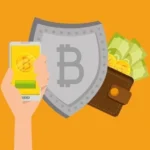
A Bitcoin wallet doesn’t actually store Bitcoins. Instead, it holds the private keys needed to access and spend your Bitcoin on the blockchain. Different wallet types offer varying levels of security and convenience.
Types of Bitcoin Wallets
- Software Wallets (Hot Wallets): These are apps on your phone or computer. They’re convenient but less secure as they’re connected to the internet. Examples: Electrum, Exodus.
- Hardware Wallets (Cold Wallets): Physical devices that store your private keys offline. Considered the most secure option. Examples: Ledger, Trezor.
- Web Wallets: Accessed through a website. Convenient but rely on the security of the provider. Examples: Blockchain.com.
- Mobile Wallets: Apps specifically for smartphones. Good for everyday transactions.
Choosing a Wallet in Pakistan
Consider these factors:
- Security: Prioritize wallets with 2-Factor Authentication (2FA) and strong encryption.
- Ease of Use: Choose an interface you find comfortable.
- Fees: Different wallets have different transaction fees.
- Supported Features: Some wallets offer features like built-in exchanges.
Popular Wallets for Pakistanis
- Trust Wallet: Mobile wallet, easy to use, supports multiple cryptocurrencies.
- Binance Wallet: Integrated with the Binance exchange, convenient for trading.
- LocalBitcoins Escrow: While not a wallet itself, LocalBitcoins offers escrow services for P2P trading.
- Electrum: Desktop wallet, more advanced features, good for security-conscious users.
Buying Bitcoin in Pakistan
Directly buying Bitcoin with Pakistani Rupees (PKR) can be challenging. Common methods include:
- P2P Exchanges: Platforms like LocalBitcoins and Paxful connect buyers and sellers directly.
- Cryptocurrency Exchanges: Some international exchanges (Binance, KuCoin) allow PKR deposits via third-party services.
- Over-the-Counter (OTC) Trading: Directly trading with individuals.
Legal Status of Bitcoin in Pakistan
The legal status of Bitcoin in Pakistan is currently unclear. The State Bank of Pakistan (SBP) has issued warnings against using cryptocurrencies, but hasn’t explicitly banned them. Regulations are evolving.
Security Tips
- Backup your private keys: Store them securely offline.
- Enable 2FA: Add an extra layer of security.
- Be wary of phishing scams: Never share your private keys.
- Use strong passwords: And don’t reuse them.
